Planning a
commercial repaint for 2027 gives property managers a chance to stay ahead of
worn finishes, fading exterior surfaces, and high-traffic areas that no longer
reflect the quality of the building. A well-timed repaint can support better
tenant satisfaction and a more professional first impression for everyone who
visits the property.
A strong budget
gives you room to plan the work correctly instead of reacting to fading paint,
damaged surfaces, or rushed tenant requests. It also helps you compare bids
with a clearer eye, because the lowest number on paper may not reflect the full
scope your property needs.
Harrison
Contracting Company works with commercial painting, industrial painting,
facility maintenance, and repainting projects for active properties. For 2027
planning, the smartest approach is to look at scope, timing, materials, access,
and building use together.
Start
Your Commercial Repaint Budget with the Full Scope
A painting budget
should begin with a walk-through of the property, not a rough estimate based on
square footage alone. Square footage is useful, but it does not tell the full
story.
Surface condition
can change the budget quickly. Peeling paint, moisture damage, rust, cracking,
previous coating failures, faded signage areas, and high-traffic wall damage
may require more preparation before new paint is applied. Prep work is often
where a repaint succeeds or falls short.
Property managers
should look at interior spaces, trim, doors, railings, loading areas,
stairwells, parking lot markings, and any branded color areas. A repainting
project may also be a good time to review pressure washing, caulking, drywall
repair, or small facility maintenance needs that connect to the painting work.
Plan
Around 2027 Material Costs
Paint and coating
costs can shift, and 2027 budgets should leave room for realistic pricing.
Coatings, primers, specialty finishes, traffic paints, and surface prep
products are tied to broader material trends. Waiting until the last minute can make it
harder to plan around availability and budget approvals.
The right coating
system depends on the building. A busy retail center may need durable finishes
in high-touch areas. A warehouse may need coatings that stand up to equipment
traffic and frequent cleaning. An office building may need low-odor options for
occupied spaces. Choosing the cheapest material can create more work later if
it does not fit the surface or use of the area.
Account
for Labor and Access
Labor is a major
part of any painting budget. The number is shaped by more than the time it
takes to apply paint. Crews may need after-hours access, security coordination,
or phased work around tenants.
Occupied
buildings often require extra planning. Work may need to happen in sections, so
entrances, corridors, restrooms, loading docks, parking areas, and tenant
spaces stay usable. Evening or weekend scheduling can be useful, but it may
affect the overall cost.
A clear schedule
helps property managers budget with fewer surprises. It also gives tenants and
staff a better idea of what to expect, which can reduce complaints and
confusion during the project.
Separate
Needs from Wants
A 2027 commercial
repaint budget should identify what has to be addressed first. Failing
coatings, exposed substrates, safety markings, water-damaged areas, rusting
metal, and highly visible customer-facing spaces may need priority.
Other areas may
be planned for a later phase. This is especially helpful for large commercial
properties, multi-site portfolios, and buildings with several tenant groups.
Phasing can make the project easier to approve and easier to manage.
Consider
Your Brand Image
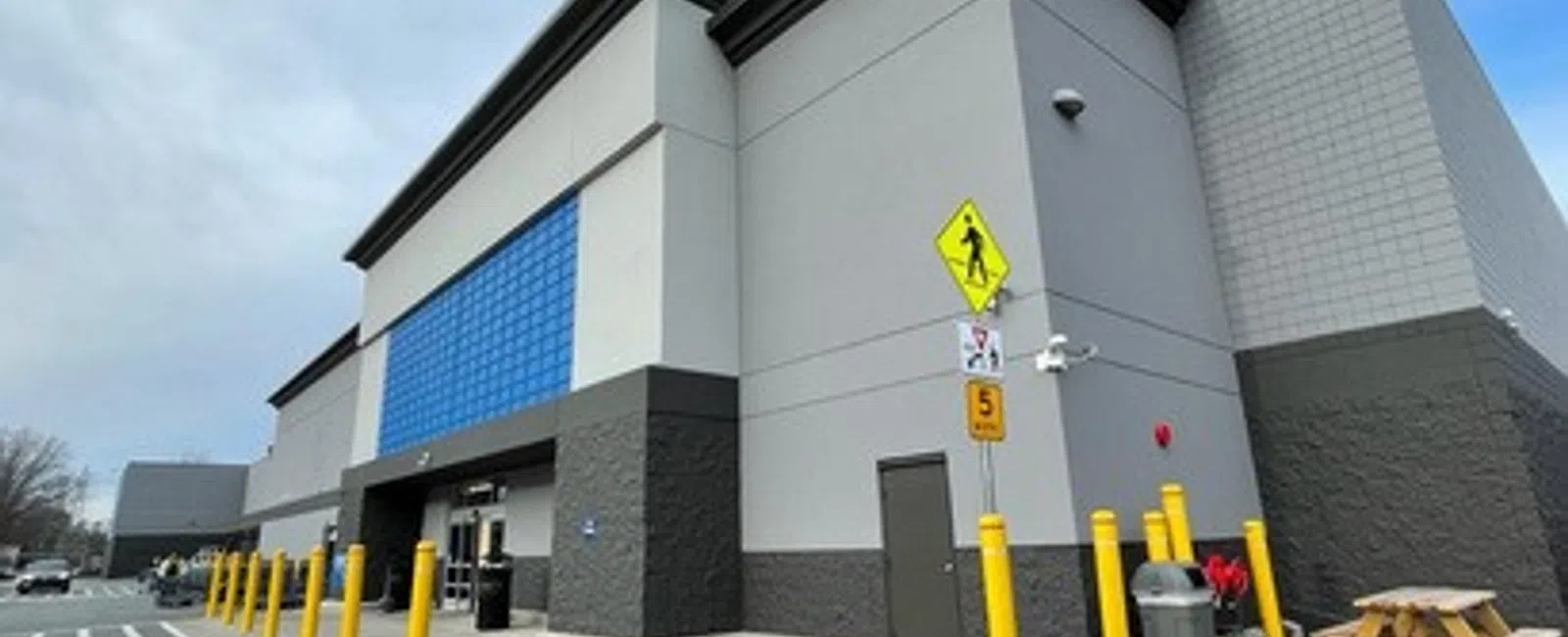
A commercial
repaint can change how a property feels without changing the structure of the
building. Clean walls, fresh exterior paint, updated trim, and well-maintained
common areas can make a property feel more cared for.
Budgeting ahead
gives property managers more control over colors, finish levels, timing, and
communication. It also gives leadership or ownership a clearer reason to
approve the work before conditions become harder to manage.
Budget
for Hidden Repairs
Even a careful
estimate can uncover hidden needs once work begins. Old coatings may fail
during preparation. Exterior surfaces may show more cracking after pressure
washing. Metal may need rust treatment. Drywall may need patching once
furniture or fixtures are moved.
A practical
budget should include a contingency for these conditions. This helps property
managers avoid repeated approval delays for small but necessary items.
Use
the Budget as a Maintenance Tool
A paint project
is easier to manage when it is part of a larger maintenance plan. Instead of
waiting for the property to look worn, managers can plan repaint cycles by
area, traffic level, exposure, and tenant needs.
Harrison
Contracting Company's work in commercial painting and facility maintenance
gives property managers a practical way to think about repainting as part of
property care, not just a one-time project.
Don't Wait
Planning a 2027 repaint for your commercial property? Contact Harrison Contracting Company to talk through your building's scope, schedule, and priorities for a practical painting plan.
FAQ
How early should
I budget for a 2027 commercial repaint?
Property managers
should begin planning several months ahead, especially for occupied buildings,
large properties, or projects that need phased scheduling. Early planning gives
more time for budget approval, tenant communication, and material selection.
What can increase
the cost of a commercial repaint?
Surface damage,
difficult access, specialty coatings, after-hours work, weather delays,
repairs, and extra preparation can all affect the final budget. A detailed
walk-through helps identify many of these items before the project begins.
Can a commercial
repaint be completed in phases?
Yes, many painting projects are planned in phases. This can help property managers keep tenant areas open, manage cash flow, and prioritize the most visible or worn areas first.