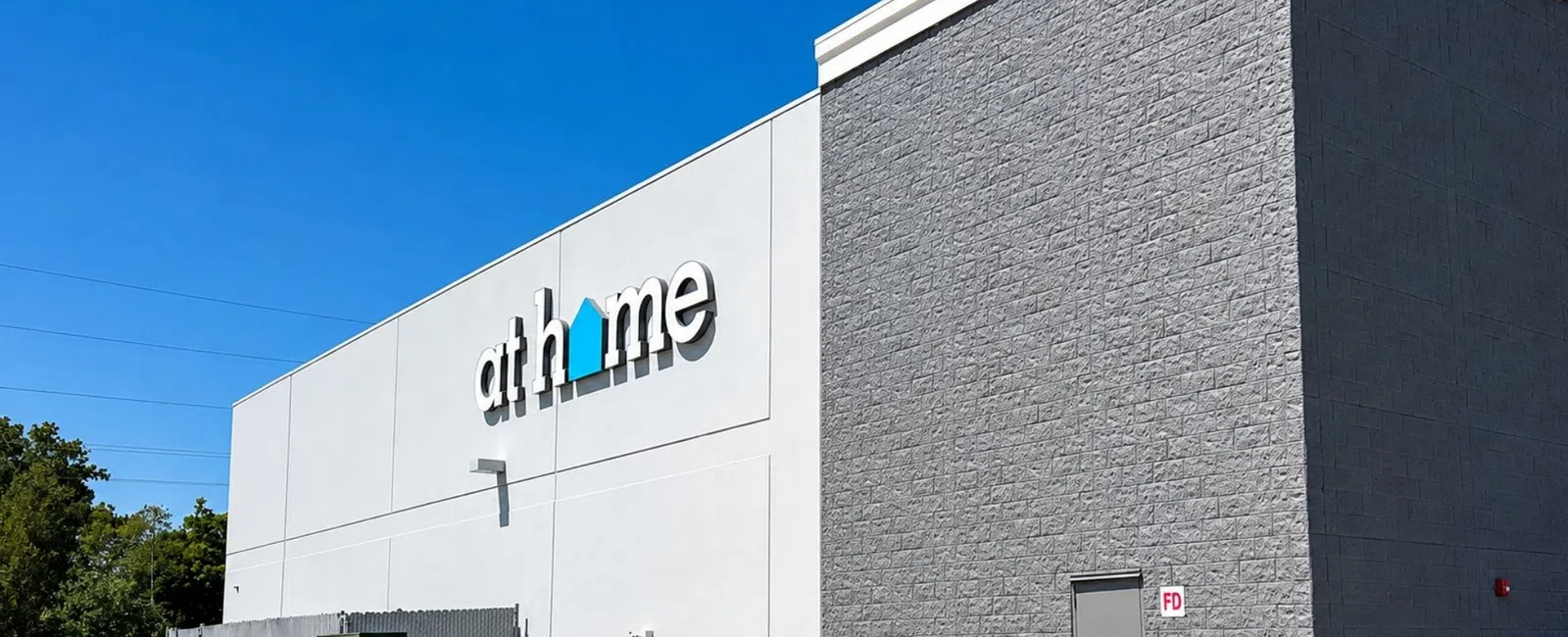
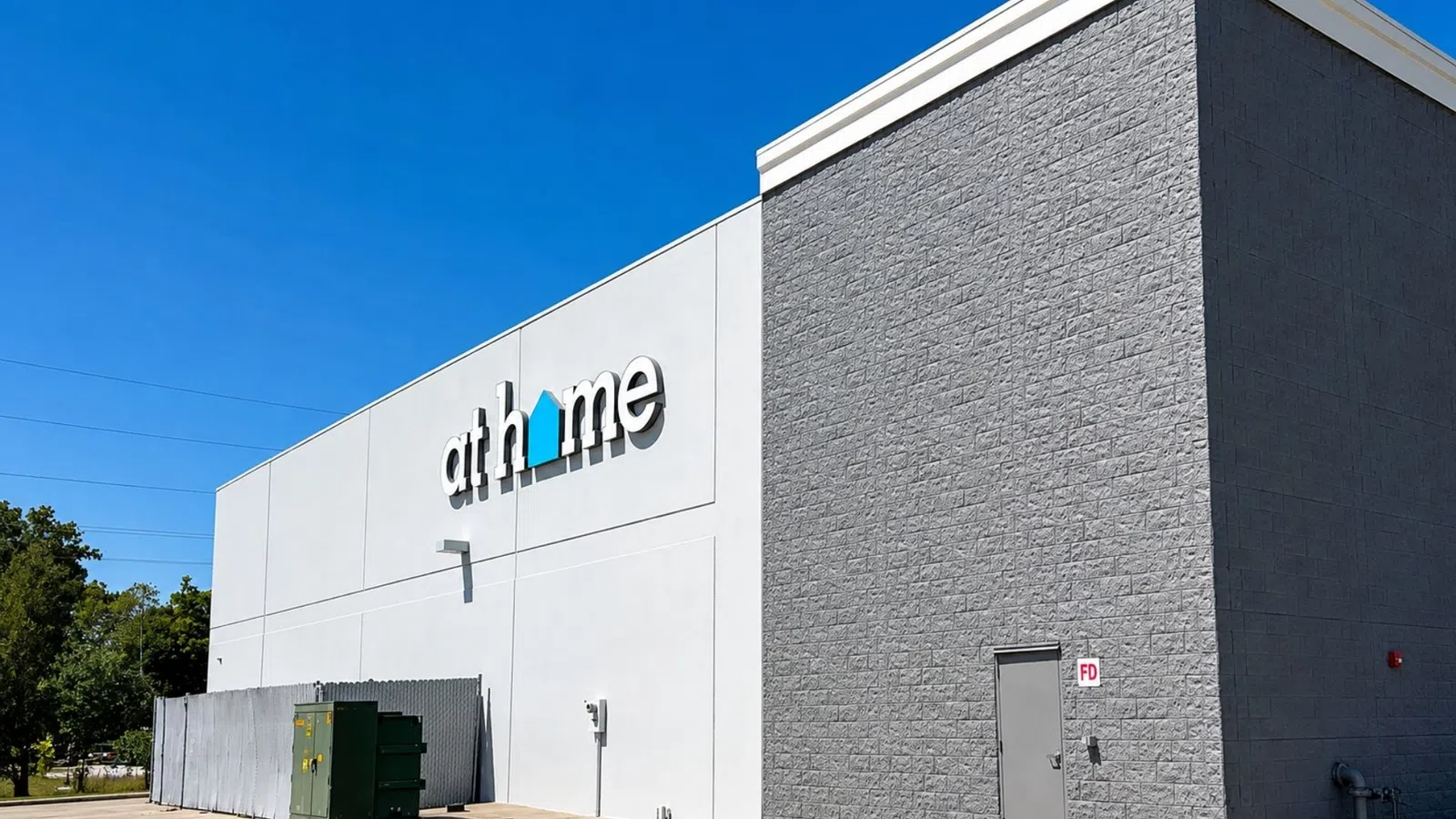
Summer puts every part of a commercial property on display. Longer days, brighter sunlight, heavier foot traffic, and busy travel seasons can make faded paint, stained walls, chipped trim, and worn exterior surfaces stand out more than usual. For property managers, commercial painting can be a practical way to refresh the building's appearance while supporting a clean, professional image.
A summer repaint does not have to mean a full property overhaul. In many cases, the right updates in the right places can make the building look more polished and better cared for.
Why Commercial Painting Matters for Curb Appeal
A paint job plays a major role in the way people view a property before they ever walk through the door. Exterior walls, storefronts, doors, railings, columns, awnings, and trim all shape that first impression.
During summer, those details become even more visible. Sunlight can highlight fading, chalking, stains, peeling areas, and color inconsistencies. Properties with high customer traffic, outdoor seating, large parking areas, or multiple tenant entrances may feel the impact even faster.
Fresh paint can help a commercial building look cleaner, brighter, and more current. It can also support brand consistency, especially for retail centers, restaurants, office buildings, hospitality properties, and multi-location businesses.
Start With the Most Visible Areas
Property managers do not always need to repaint every surface at once. A smart painting plan starts with the areas people notice first.
Entrances are a natural place to begin. Doors, frames, columns, railings, and nearby walls often take a lot of wear from daily traffic. A refreshed entry can make the entire property feel more welcoming.
Trim and accent areas also carry a lot of visual weight. Faded trim can make a building look older than it is, while crisp paint lines can give the exterior a more finished look. For retail centers, tenant-facing walls and storefront details should be reviewed closely before peak summer activity.
Parking areas, curbs, bollards, and safety markings may also need attention. These details support both appearance and traffic flow, especially during busy months.
Choose Colors That Fit the Property
Color selection should match the property's architecture, tenant mix, location, and brand standards. A paint project is a good time to review faded colors, dated accents, and areas where past touchups no longer blend well.
For office buildings, neutral and professional colors may work best. Retail centers may need clean exterior tones with coordinated tenant accents. Hospitality and resort properties often benefit from colors that feel fresh, welcoming, and suited to the local environment.
The goal is not to chase a trend. It is to choose colors that help the property look intentional and well maintained. Harrison Contracting Company works with commercial painting and image consulting needs, which can help property managers think through color, brand presentation, and project timing together.
Plan Around Heat & Weather
Summer painting requires careful scheduling. Heat, humidity, storms, direct sun, and busy property hours can all affect the plan.
Exterior work may need to be scheduled earlier in the day or around weather patterns. Some surfaces may require specific preparation before coating. Occupied buildings may need phased work so tenants, customers, and staff can continue using entrances, parking areas, and common spaces.
A strong schedule also helps reduce confusion. Tenants should know when crews will be near their space, which entrances may be affected, and how long each phase is expected to take. Clear communication can make a visible project feel more organized for everyone on site.
Do Not Skip Surface Preparation
Paint performs best when the surface is ready for it. Pressure washing, sanding, patching, caulking, rust treatment, and priming may all be part of the process, depending on the property.
Summer can expose problems that were easy to miss earlier in the year. Moisture stains, sun damage, cracked sealants, and peeling paint can show up quickly once the weather changes. Covering those issues without proper prep can lead to disappointing results.
A professional painting plan should account for existing surface conditions before the first coat is applied. That helps the finished work look cleaner and hold up better under daily use.
Make Summer Updates Part of a Larger Plan
Summer is a strong season for curb appeal, but painting your property should not be treated as a one-time fix. Exterior surfaces, high-traffic interiors, and branded areas should be reviewed regularly so the property does not fall behind.
A yearly walk-through can help property managers identify fading, damage, stains, and areas that need attention before they become more expensive to address. Planning ahead also makes it easier to budget, choose materials, and schedule around tenant needs.
Harrison Contracting Company provides commercial painting, industrial painting, facility maintenance, and repainting support for commercial properties. With the right plan, summer can be an ideal time to refresh the areas that shape the property's first impression.
FAQ
What areas should property managers prioritize for summer painting?
High-visibility areas are usually the best place to start. Entrances, trim, doors, railings, storefronts, exterior walls, curbs, bollards, and safety markings can all affect how people view the property.
Can commercial painting be done while a building is occupied?
Yes, many projects can be planned in phases around building activity. Scheduling, communication, access planning, and proper site protection help reduce disruption for tenants, customers, and staff.
How does painting improve curb appeal?
Commercial painting can refresh faded surfaces, create cleaner lines, update dated colors, and make the property look more professional from the outside. It can also support a consistent brand image across the building.
Learn More
Planning a summer refresh for your commercial property? Contact Harrison Contracting Company to discuss commercial painting options that fit your building, schedule, and curb appeal goals.