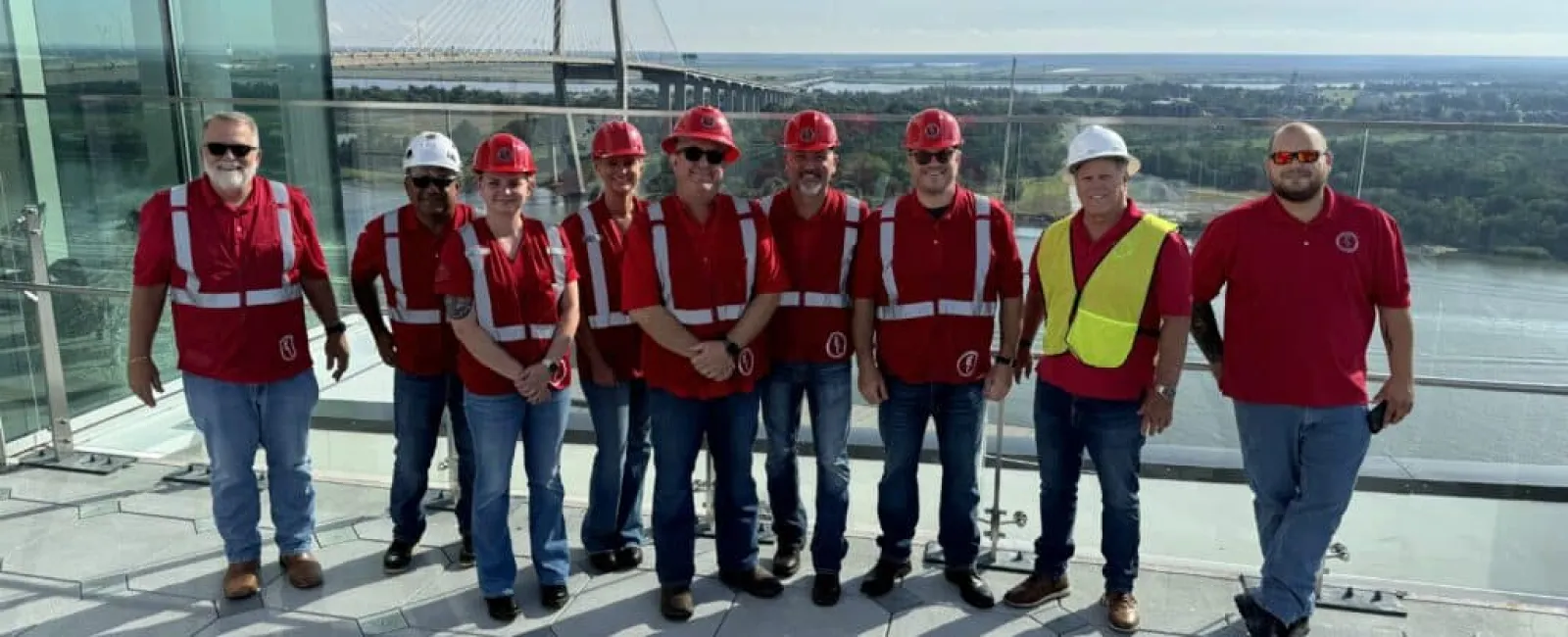
When working on commercial properties, safety is never optional. Everything on-stie can represent potential risk.
At Harrison Contracting Company, safety is not an afterthought. It is built into every project, every crew, and every process. That commitment protects your property, your people, and your reputation.
Here is how commercial painting safety standards make a real difference.
Commercial Properties Are Active Environments
Unlike a residential repaint, commercial painting projects often happen while business continues as usual.
Office buildings stay open. Retail centers remain busy. Multifamily communities are fully occupied. Industrial facilities continue operating.
That means painting crews are working:
- Around tenants, residents, equipment, and employees
- At heights using lifts, ladders, and scaffolding
- Near mechanical systems and electrical equipment
- In high-traffic areas
Without strict safety protocols, even a simple repaint can create unnecessary risk.
Harrison Contracting understands that commercial painting is not just about finishes. It is about working responsibly in complex environments.
Protecting the People on Your Property
Your tenants and employees should feel confident that work is being handled professionally. Strong safety standards help ensure that.
Fall Protection and Equipment Safety
Commercial painting frequently requires ladders, boom lifts, and scaffolding. Falls remain one of the leading causes of construction injuries.
Professional safety programs include:
- Certified lift and scaffold training
- Fall protection systems and guardrails
- Routine equipment inspections
- Clearly marked work zones
- Ground guides to ensure safe lift operation
Harrison Contracting invests in training and oversight so crews follow proper procedures on every site, not just on large projects.
Controlled Work Areas
In nearly all commercial property projects, uncontrolled work areas create trip hazards and liability concerns.
Safety-focused contractors establish:
- Clearly defined and barricaded work zones
- Proper signage
- Daily cleanup routines
- Organized equipment storage
This minimizes disruption and protects residents, visitors, and staff.
Safe Handling of Coatings and Materials
Commercial coatings can involve specialty products that require careful handling and ventilation.
Professional crews ensure:
- Proper storage and labeling
- Compliance with environmental regulations
- Safe application practices
- Attention to indoor air quality when working in occupied spaces
That attention to detail protects both building occupants and property management teams.
Protecting Your Physical Asset
Safety standards do more than prevent injuries. They protect the structure and systems that make your property valuable.
Preventing Surface and Equipment Damage
Improper lift operation or careless setup can damage:
- Flooring and pavement
- Landscaping
- Windows and glass
- Mechanical units
Our experienced crews plan access carefully, protect surrounding surfaces, and use equipment responsibly. That preparation reduces costly repairs and callbacks.
Reducing Fire and Electrical Risks
Commercial properties include complex electrical and HVAC systems. Painting near these systems requires awareness and training.
Safety protocols help ensure crews:
- Work carefully around energized equipment
- Avoid blocking ventilation
- Follow fire safety guidelines for flammable materials
That protects both your building and your operations.
Reducing Liability for Property Owners and Managers
If an accident happens on your property, it can quickly become your problem.
Working with a contractor that prioritizes OSHA compliance, ongoing safety training, and proper insurance coverage reduces your exposure to:
- Workers' compensation claims
- Third-party injury claims
- Property damage disputes
- Regulatory fines
Harrison Contracting's structured approach to safety helps property managers feel confident that projects are handled responsibly from start to finish.
Safety Reflects Professionalism
Safety standards are not just about rules. They reflect the culture of a company.
A contractor who values safety typically also values:
- Clear communication
- Detailed project planning
- Respect for your timeline
- Consistent quality control
At Harrison Contracting, safety and professionalism go hand in hand. Crews are trained not only to deliver high-quality finishes, but to represent the company well on every property they serve.
What to Look for in a Commercial Painting Partner
When selecting a commercial painting contractor, safety should be part of the conversation.
Ask questions like:
- What safety training do your crews receive?
- How do you protect occupied properties during projects?
- Are you fully insured and OSHA compliant?
- How do you minimize disruption to tenants or residents?
The right partner will have clear answers and a documented approach.
The Bottom Line
Commercial painting improves curb appeal, protects surfaces, and extends the life of your property. But it should never come at the expense of safety.
Strong safety standards protect:
- Your tenants and employees
- Your physical asset
- Your operating schedule
- Your liability exposure
At Harrison Contracting Company, safety is built into every project because protecting your property and your people is just as important as delivering a quality finish. Contact us today to get started on your next project!
Frequently Asked Questions
- Why are safety standards so important in commercial painting projects?
Commercial properties are active environments with employees, tenants, and visitors on site. Strict safety standards help prevent falls, reduce trip hazards, protect indoor air quality, and minimize damage to surrounding surfaces. A contractor with strong safety protocols helps protect both your people and your investment.
- How does Harrison Contracting minimize disruption during occupied projects?
Harrison Contracting plans each project with the property's daily operations in mind. Crews establish clearly marked work zones, follow structured cleanup procedures, and coordinate with property managers to schedule work in a way that limits inconvenience to tenants, residents, and staff.
- What should property managers look for in a safe commercial painting contractor?
Property managers should look for OSHA compliance, documented safety training, proper insurance coverage, and clear communication about how work areas will be controlled. A professional contractor should be able to explain their safety process and how they protect both occupants and the property throughout the project.