
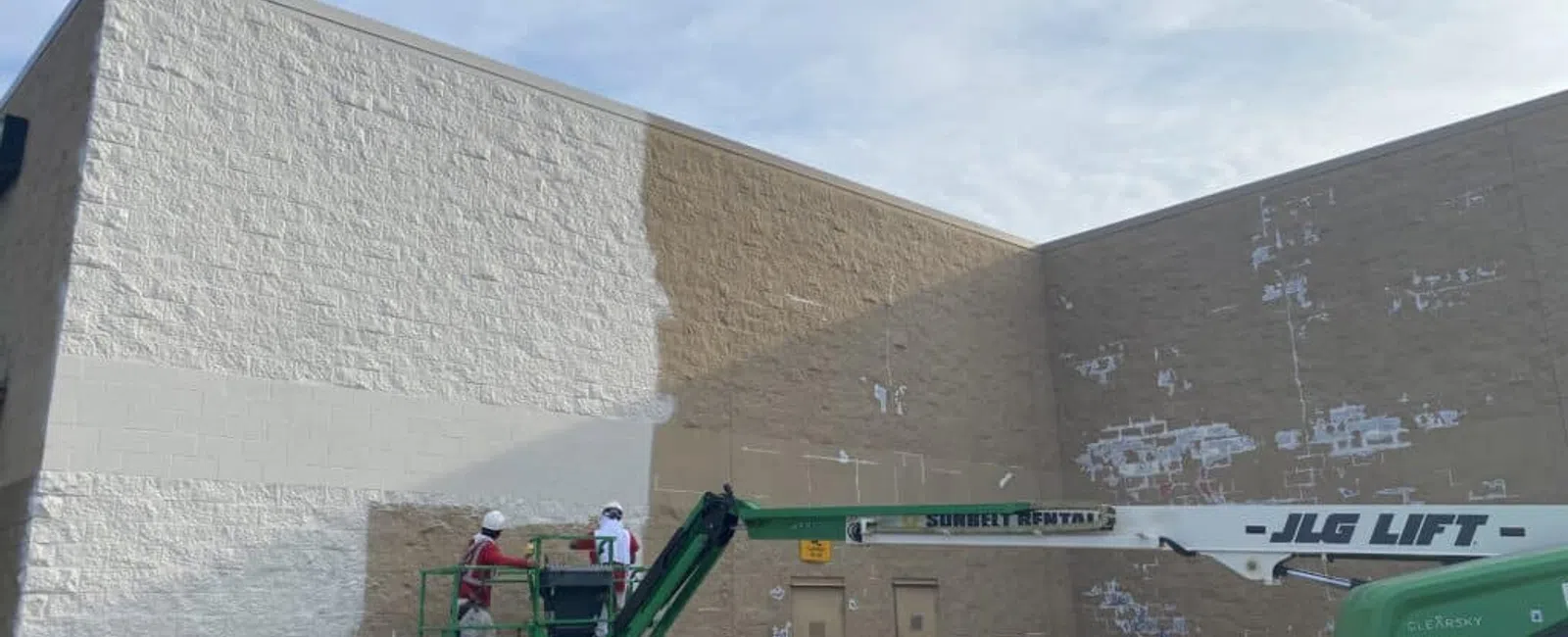
When it comes to commercial painting, timing matters. While winter can limit some exterior work, it is one of the most valuable seasons for planning, evaluating conditions, and preparing for painting projects that will move forward in spring.
At Harrison Contracting, winter is when we help clients get ahead. It is the time to review surfaces, identify priorities, and build realistic schedules so painting work can begin smoothly when weather conditions improve.
Here is how property owners, facility managers, and business leaders can use the winter months to make smarter decisions about painting and maintenance.
Plan Spring Painting Projects Before the Rush
Spring is one of the busiest seasons for commercial painting. Waiting until warmer weather arrives often means tighter schedules and fewer options.
Winter is the right time to:
- Evaluate interior and exterior painting needs
- Define scope, priorities, and phasing
- Review budgets and timing
- Coordinate access for occupied spaces
Early planning allows painting projects to be scheduled intentionally rather than reactively. It also helps ensure surfaces are properly prepared so finished work lasts longer and looks better.
Clear Direction Leads to Better Painting Results
Painting is often one of the most visible parts of a facility, but it works best when it is planned with purpose. Winter gives organizations the chance to align painting projects with broader operational goals.
This may include:
- Refreshing retail or hospitality spaces before peak seasons
- Repainting high-traffic areas showing wear
- Addressing fading, peeling, or aging finishes
When priorities are set early, painting projects move more efficiently and with fewer disruptions.
Winter Is Ideal for Interior Painting
Cold weather does not slow interior painting. In many cases, winter is the best time to complete it.
Interior painting can move forward without weather delays, making winter ideal for:
- Offices and administrative areas
- Tenant improvements and build-outs
- Retail and hospitality refreshes
- Corridors, common areas, and back-of-house spaces
Completing interior painting during winter frees up spring and summer for exterior work that depends on specific temperature and moisture conditions.
Use Winter to Inspect Exterior Surfaces
Winter weather can reveal issues that are not always obvious during warmer months. Freeze and thaw cycles, moisture exposure, and seasonal wear often highlight areas where paint is beginning to fail.
Winter inspections can help identify:
- Peeling or blistering paint
- Cracks or gaps around trim and joints
- Concrete or masonry surfaces showing wear
- Areas that will need prep work before repainting
Identifying these issues early allows time to plan repairs and schedule exterior painting as soon as conditions allow.
Preventative Maintenance Includes Painting
Paint plays an important role in protecting building surfaces. When finishes fail, underlying materials are more likely to deteriorate.
Winter is a good time to:
- Review repainting cycles
- Address small problem areas before they spread
- Plan maintenance painting for high-use spaces
Proactive painting helps extend the life of building surfaces and reduces the need for more costly repairs later.
Retail and Hospitality: Prepare Now for Peak Season
For retail and hospitality properties, appearance directly affects customer experience. Winter offers a practical window to prepare without disrupting peak traffic.
This can include:
- Interior repainting during slower months
- Planning exterior painting for early spring
- Phasing work to minimize downtime
Early planning allows painting projects to be completed on your schedule, not under pressure.
Winter Planning Sets Up a Smoother Year
Winter is not downtime. It is preparation time.
Taking the season to evaluate surfaces, plan painting work, and prioritize maintenance helps avoid rushed decisions and unexpected delays once spring arrives. The result is better scheduling, cleaner finishes, and longer-lasting results.
At Harrison Contracting, quality painting starts long before the first brush or roller is used. Winter planning is a key part of delivering professional results that hold up over time.
If you are considering painting work later this year, winter is the right time to start the conversation. Contact us today to get started!
Winter Painting Planning FAQs
Can commercial painting be done during the winter?
Yes, interior commercial painting can be completed year-round. Winter is often an ideal time for interior work because spaces may be less busy and schedules are more flexible. Exterior painting is typically scheduled for spring or summer, but winter is still a valuable time for planning, inspections, and preparation.
Why should painting projects be planned during winter?
Planning during winter helps avoid delays and scheduling challenges once spring demand increases. It allows time to evaluate surfaces, define scope, coordinate access, and align painting work with operational needs. Early planning leads to smoother execution and fewer disruptions.
What types of spaces are best for winter interior painting?
Winter is well suited for interior painting in:
- Office buildings
- Retail spaces during slower months
- Hospitality properties between peak seasons
- Common areas, corridors, and back-of-house spaces
Painting during winter can reduce interference with daily operations and customer traffic.
How do I know if my building needs repainting?
Common signs include fading, peeling, cracking, or uneven finishes. High-traffic areas may also show wear more quickly. A winter walkthrough or inspection can help identify which areas need attention and which can be scheduled for later in the year.
Should exterior painting be inspected during winter?
Yes. While exterior painting is usually completed in warmer weather, winter conditions can make problem areas more visible. Moisture exposure and freeze-thaw cycles often highlight peeling paint, cracks, and surface wear that should be addressed once conditions allow.
How far in advance should spring painting be scheduled?
Spring painting schedules often fill up quickly. Reaching out during winter helps secure preferred timing and allows for better planning. Even if work will not begin until later, early coordination leads to more predictable timelines.
Can painting be phased in occupied buildings?
Yes. Painting can often be phased to minimize disruption. Winter planning allows time to coordinate access, schedule work during off-hours if needed, and create a plan that keeps spaces usable while work is completed.
Does repainting really count as preventative maintenance?
Yes. Paint protects surfaces from wear, moisture, and daily use. When paint fails, underlying materials are more likely to deteriorate. Routine repainting helps extend the life of walls, trim, and exterior surfaces, reducing the need for more extensive repairs.
How can Harrison Contracting help during the planning phase?
Harrison Contracting works with clients during winter to evaluate needs, discuss options, and build realistic painting schedules. The goal is to help projects move forward efficiently and deliver results that hold up over time.